
Before a skyscraper can touch the clouds, a house can become a home, or a bridge can connect two shores, a critical and often unseen process must take place. This foundational stage is known as site work. It’s the essential groundwork that transforms a raw piece of land into a stable, safe, and ready-to-build platform. While it may not be as glamorous as raising steel beams or installing glass facades, proper site work is the single most important factor determining a project’s long-term success and stability.
Think of it as the meticulous preparation an artist undertakes before ever touching a brush to the canvas. Without a primed and prepped surface, the final masterpiece would be flawed. Similarly, in construction, any shortcuts or errors during this initial phase can lead to catastrophic failures, costly repairs, and significant delays down the line. This article will guide you through everything you need to know about site work, from its core definition and key stages to its critical importance and common challenges.
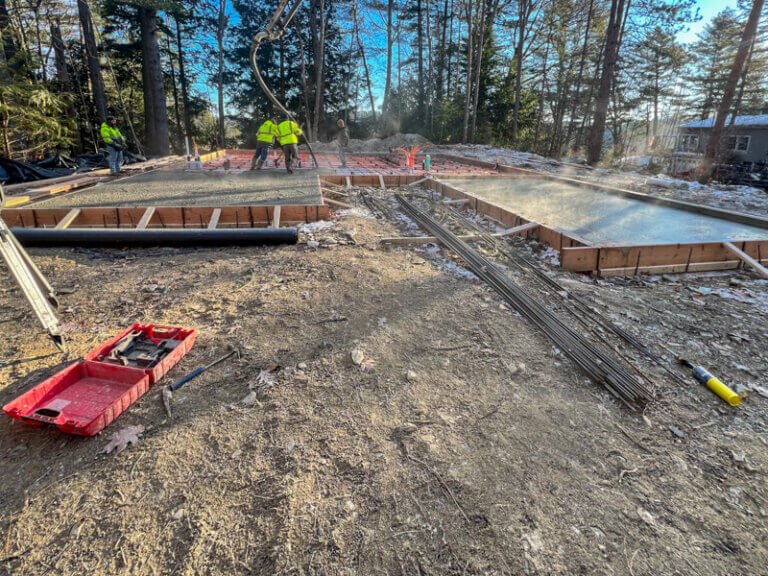
In the simplest terms, site work construction refers to all the preparatory activities performed on a piece of land before the vertical construction of a building or structure begins. It’s the bridge between a land survey and pouring the first concrete foundation. This phase, sometimes called land preparation or civil works, involves modifying the existing topography, installing essential infrastructure, and ensuring the ground is perfectly suited to support the planned structure. It’s about shaping the earth to meet the precise engineering requirements of the project.
The primary goals of any comprehensive site work plan are clear and non-negotiable:
It’s crucial to differentiate site work from the subsequent phases of construction. While building construction focuses on the structure itself—the foundation, framing, roofing, and finishes—site work focuses exclusively on the land beneath and around it. It’s the horizontal work that makes the vertical work possible. Without expertly executed construction site preparation, even the most well-designed building is at risk.
The process of site construction is a multi-stage operation where each step builds upon the last. A specialized site work contractor orchestrates a series of complex activities, using heavy machinery and precise measurements to prepare the land. While the exact scope can vary based on the project, the core components generally follow a logical sequence.
The first step is to create a blank slate. This involves the complete removal of any surface-level obstructions, including trees, boulders, vegetation, and old debris. If an existing structure is on the property, demolition is required. This stage is more than just bulldozing; it involves careful planning for waste disposal and adherence to environmental regulations, such as protecting certain trees or habitats.
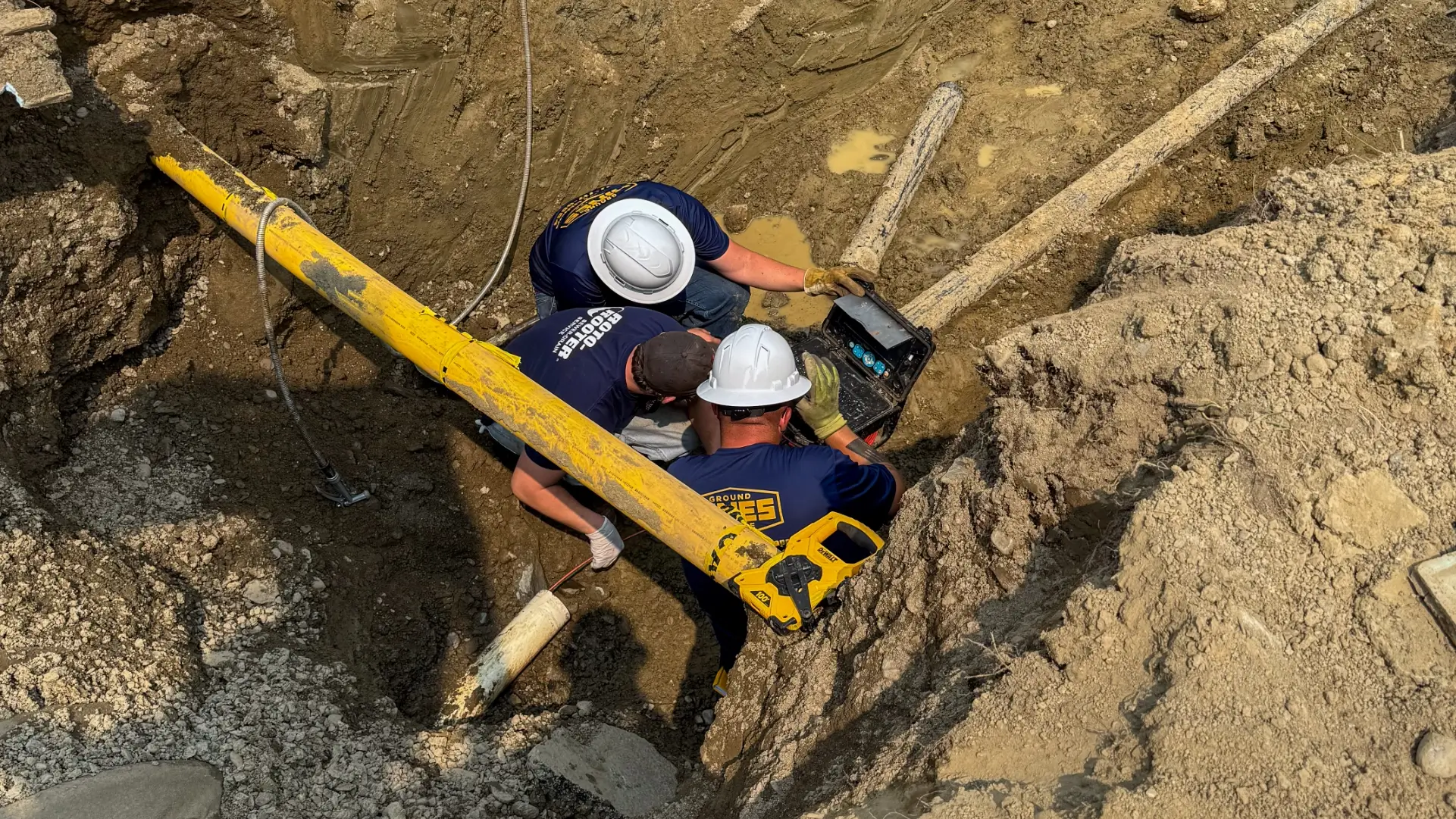
Once the land is clear, the earthwork begins. Excavation is the process of digging and moving large quantities of soil. This is done to create space for building foundations, basements, utility trenches, and underground parking structures. The removed soil, or “spoil,” might be hauled away or repurposed elsewhere on the site for backfilling and grading. This phase requires powerful equipment like excavators and loaders and is guided by detailed survey plans.
Grading is the art and science of sculpting the land to achieve the desired elevations and slopes. A level base is created for the building’s foundation, while the surrounding land is carefully sloped to direct water away from the structure. Proper grading is fundamental for effective drainage and preventing water from pooling around the foundation, which could lead to leaks and structural damage over time. Compaction is also a key part of this stage, ensuring the soil has the density to support immense weight without settling.
Before the foundation is poured, all underground utilities must be installed. This includes laying pipes for water and sewer systems, gas lines, and conduits for electrical, telephone, and data cables. This “underground rough-in” is a critical piece of infrastructure that must be precisely placed and coordinated with local utility providers to ensure seamless connection to public services.
Managing water is a top priority in site work. In addition to surface grading, this involves installing sophisticated drainage systems like storm drains, culverts, and French drains. These systems collect rainwater and runoff, channeling it safely away from the property to prevent erosion, flooding, and excess pressure on foundation walls.
Finally, site work includes the creation of access points. This can mean building temporary gravel roads for heavy construction vehicles to access the site without getting stuck or damaging the landscape. It also includes the sub-base preparation for permanent driveways, parking lots, and sidewalks that will be finished later in the project.
Investing time and resources into high-quality construction site work is not just a preliminary step; it’s a long-term investment in the integrity, safety, and value of the entire project. Overlooking its importance can have severe consequences that ripple through every subsequent phase of construction and throughout the building’s lifespan.
The most direct impact of site work is on the building’s foundation. The structure’s entire weight is transferred to the ground beneath it. If the soil is not properly graded and compacted, it can shift or settle over time. This movement, even if minuscule, can cause foundation cracks, uneven floors, and structural damage that is incredibly difficult and expensive to repair. Well-executed site work ensures the ground is a stable, unyielding platform for decades to come.
A properly prepared site in construction is a safer site. Site work professionals must adhere to strict local building codes, environmental laws, and OSHA safety standards. This includes shoring up trenches to prevent collapse, managing dust and debris, and implementing erosion control measures. Proper grading and drainage also prevent the formation of hazardous puddles or icy patches, ensuring a safe environment for both workers and future occupants.
The old adage “an ounce of prevention is worth a pound of cure” is especially true for site work. Identifying and resolving issues like poor soil quality or high groundwater levels before construction begins is far cheaper than dealing with them after the foundation is in place. Thorough site work minimizes the risk of unexpected problems, which in turn prevents costly rework and keeps the project on budget.
The initial phases of a project set the pace for everything that follows. Delays during site work—whether due to poor planning, weather, or unforeseen ground conditions—create a domino effect. Subcontractors scheduled for later phases, like foundation or framing, are pushed back, disrupting the entire project timeline. Efficient site work is key to a smooth start that keeps the whole construction schedule on track.
Modern site work incorporates sustainable practices designed to protect the surrounding environment. This includes implementing erosion and sediment control plans to prevent soil from washing into nearby waterways, managing stormwater runoff to protect water quality, and preserving natural features of the landscape where possible. These measures are not only good for the environment but are often required by law.
Even with the best plans, a site in construction can present unexpected challenges. The ground beneath our feet is often unpredictable. However, experienced contractors anticipate these hurdles and employ best practices to mitigate them effectively.
Challenge: Crews might encounter unexpected rock formations that are difficult to excavate, soil that is too soft to support a structure, or a high water table that complicates digging.
Best Practice: Conducting a thorough geotechnical survey before work begins is paramount. This involves drilling soil borings to analyze the subsurface conditions, allowing engineers to design an appropriate site work and foundation plan from the start.
Challenge: Site work is highly exposed to the elements. Heavy rain can turn a site into a mud pit, halting work and eroding graded surfaces. Freezing temperatures can make excavation nearly impossible.
Best Practice: A flexible schedule with built-in contingency days for weather is essential. Protective measures, such as covering graded areas with tarps or using dewatering pumps, can help minimize delays.
Challenge: Navigating the web of permits for grading, utilities, and environmental impact can be complex and time-consuming. A missed permit can shut down a project instantly.
Best Practice: Engaging with local authorities and planning departments early in the process is key. An experienced contractor will be familiar with local regulations and can manage the permitting process efficiently.
Challenge: Site work requires a fleet of specialized heavy machinery and skilled operators to run it. Coordinating the right equipment for each task and ensuring it is well-maintained is a major logistical challenge.
Best Practice: Detailed project management and clear communication are crucial. This includes creating an efficient schedule for equipment use and having experienced supervisors on-site to manage the crew and workflow.
Challenge: When unforeseen issues arise, costs can escalate quickly. Hitting a large rock formation, for example, may require expensive blasting or specialized equipment not included in the original bid.
Best Practice: A detailed and transparent cost estimate from the contractor, combined with a contingency fund in the overall project budget (typically 5-10%), provides a financial cushion to handle unexpected expenses without derailing the project.
Share this article:

Typically replies within an hour
I will be back soon

